
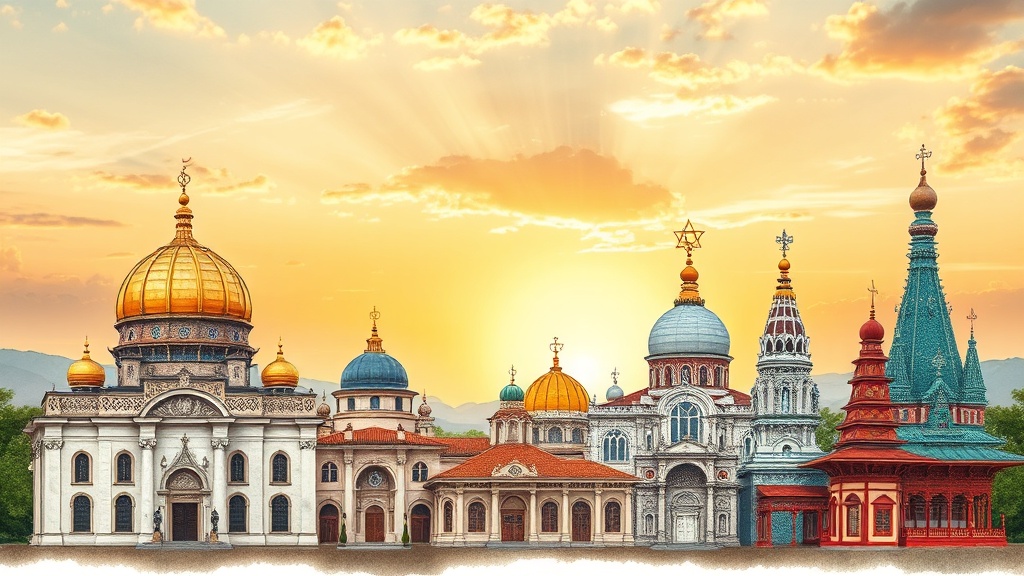
This vibrant district of Istanbul unfurls a tapestry of spiritual heritage, where centuries-old places of worship stand testament to the city's rich multicultural past. Here, the echoes of call to prayer mingle with the solemnity of church bells, inviting exploration and reflection across diverse faiths.
Rum Ortodoks Aya Konstantin Kilisesi
Standing proudly on Kalyoncu Kulluğu Caddesi, the Greek Orthodox Church of Hagia Konstantina is a significant spiritual hub for Istanbul's Greek community. While its exact founding date is debated, the current structure has been a place of worship for well over a century, witnessing profound historical shifts. Its architecture, though perhaps less ornate than some of its Byzantine predecessors, exudes a serene devotion. Expect a welcoming atmosphere within its modest walls, often adorned with icons and traditional Orthodox furnishings. Visitors can often appreciate the quiet solitude and the sense of enduring faith. Remember that as a place of worship, a modest dress code is appreciated, covering shoulders and knees. Visiting during a quieter weekday morning can offer a more contemplative experience.
Süryani Kadim Meryem Ana Kilisesi
This Syriac Orthodox Church, dedicated to the Virgin Mary, is a cornerstone of Istanbul's ancient Syriac community. Its history is deeply intertwined with the city's earliest Christian roots, serving as a vital center for liturgy and community life for centuries. The architectural style reflects the rich traditions of Syriac Christianity, often characterized by its simplicity and a focus on spiritual resonance rather than ostentation. Inside, you may find unique Syriac iconography and a profoundly peaceful ambiance. Visitors are generally welcomed with warmth, and the opportunity to witness an ancient rite, if timed correctly, is a rare privilege. Respectful attire is essential, and silence is encouraged to maintain the sanctity of the space.
Beyoğlu Emin Cami
Located in the bustling Beyoğlu district, the Emin Cami is a significant mosque contributing to the Islamic heritage of this area. Established at a point when Beyoğlu was experiencing significant development, this mosque has served as a spiritual anchor for the local Muslim population, fostering a sense of community and devotion. The architecture of Emin Cami, while varying in style over its history, typically reflects Ottoman mosque design principles, aiming for both aesthetic beauty and functional grace for prayer. Visitors can expect a respectful and serene environment for prayer and quiet contemplation. Attire should be modest, with women covering their hair and both men and women ensuring their legs and shoulders are covered. Observing prayer times is advisable for a more authentic experience.
Alman Protestan Kilisesi
The German Protestant Church, found at Emin Camii Sokak, 30, is a beautiful testament to Istanbul's long-standing connection with European communities. Erected in the late 19th century, it was built to serve the German expatriate community and has since become a landmark of Protestantism in the city. Its architectural design is a notable example of neo-Gothic style, featuring characteristic pointed arches and a distinctive steeple that adds to the Beyoğlu skyline. Inside, the church offers a tranquil space for worship, often with stained-glass windows bathing the interior in colored light. Visitors can experience a sense of historical connection and quiet reflection. A respectful dress code is expected, and checking service times can enhance a visit.
H. Ahmet Cami
The H. Ahmet Cami, or H. Ahmet Mosque, is another important Islamic place of worship within this diverse district, serving the spiritual needs of the local Muslim community. Its presence signifies the ongoing importance of Islam in the fabric of Istanbul's urban life, providing a sanctuary for prayer and communal gatherings. While specific architectural details may vary depending on its construction period, Ottoman mosque architecture often emphasizes symmetry, domed structures, and minarets, creating spaces of both grandeur and serenity. Visitors entering the mosque can anticipate a peaceful and introspective atmosphere, conducive to quiet contemplation. Modest dress is paramount; women should cover their hair, and all visitors should ensure their arms and legs are covered out of respect.
Evangelistra Rum Kilisesi
The Evangelistra Greek Orthodox Church, located in Istanbul, is a prominent spiritual landmark for the city's Greek Orthodox community. Its history is rooted in the rich Byzantine and Ottoman eras, and it continues to be a vibrant center for religious life and cultural preservation. The church's architecture often reflects traditional Byzantine influences, perhaps featuring elegant domes, classical facades, and interior decorations that honor Orthodox iconography. Within its walls, visitors can experience a profound sense of history and spirituality, often accompanied by the gentle glow of candlelight and the scent of incense. A respectful dress code is a necessity, and visiting during non-service hours can offer a more peaceful exploration of its sacred space.
Kurtuluş Camii
The Kurtuluş Camii, or "Liberation Mosque," is an important Islamic place of worship, likely named to commemorate a significant historical event or period of liberation for the community. Its existence highlights the resilience and continuity of Islamic faith and practice in Istanbul. Mosques often exhibit architectural styles that blend tradition with local adaptations, featuring serene interiors designed for prayer and reflection, often incorporating elements like mihrabs, minarets, and courtyards. Visitors will find Kurtuluş Camii to be a place of quiet devotion and community gathering. As with all mosques, a strict dress code of modesty is observed, with women covering their heads and all visitors ensuring their bodies are covered from shoulders to knees.
Surp Hovhan Vosgeperan Ermeni Katolik Kilisesi
The Armenian Catholic Church of St. John the Baptist (Surp Hovhan Vosgeperan) is a significant spiritual site for Istanbul's Armenian Catholic community. Its history reflects the enduring presence and distinct traditions of this particular Christian denomination within the city. The church's architecture often embodies the artistic and spiritual sensibilities of Armenian Catholic design, which can include unique artistic flourishes and devotional elements derived from both Armenian and Roman Catholic traditions. Visitors can expect to find a place that offers both historical depth and a welcoming atmosphere for those seeking spiritual solace. Adhering to a modest dress code is essential, and showing respect for the sacred nature of the building is paramount.
In the heart of Istanbul, these diverse houses of worship stand not as separate entities, but as threads woven into the rich tapestry of the city's cultural and spiritual landscape. Their proximity offers a unique opportunity to witness firsthand the beauty of interfaith coexistence and the shared human pursuit of meaning and connection.