
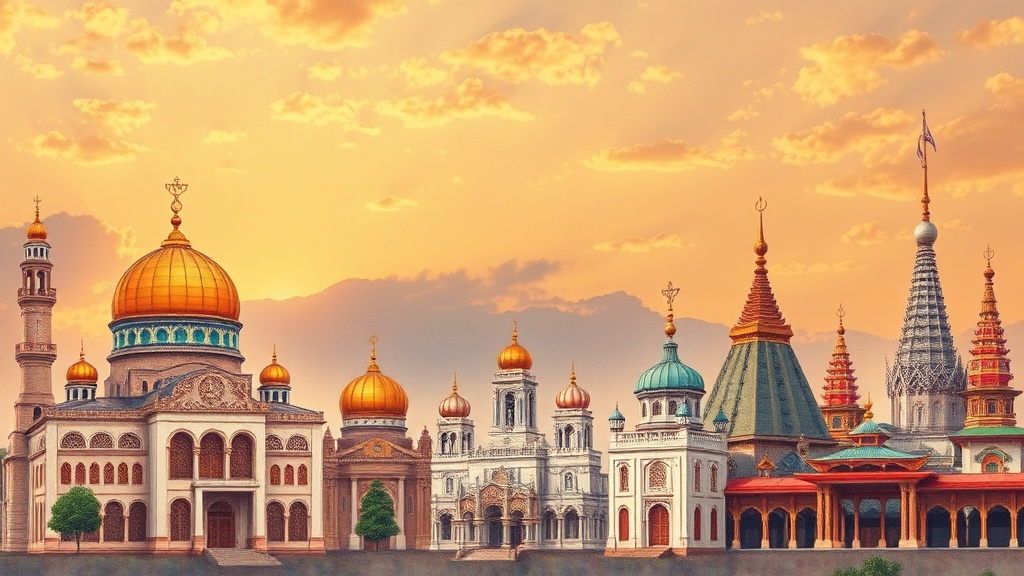
This area is a vibrant tapestry of faith, where centuries of coexistence have left an indelible mark on the cultural landscape. From historic mosques echoing with the call to prayer to ancient churches bearing witness to diverse Christian traditions, visitors can embark on a profound journey of spiritual discovery and interfaith appreciation.
Karabaş Mustafa Ağa Camii
This elegant mosque, a testament to Ottoman architectural prowess, was commissioned by Karabaş Mustafa Ağa in the late 18th century. While perhaps less prominent than some monumental mosques, it embodies the intimate, neighborhood scale of worship that defined many Islamic community centers of its era. Its historical significance lies in its unbroken service as a place of prayer and community gathering for centuries.
Architecturally, Karabaş Mustafa Ağa Camii often features a charming, relatively simple facade, focusing on functional beauty rather than ostentatious display. Expect a serene interior, likely with a mihrab indicating the direction of Mecca, a minbar for sermons, and a general atmosphere of quiet contemplation.
Visitors are welcome to enter and observe, but it's crucial to maintain a respectful demeanor. Modest dress is required – shoulders and knees should be covered, and women may wish to bring a headscarf. Shoes must be removed before entering prayer areas. Visiting during prayer times is possible, but it's best to be discreet and avoid disruption.
Beyazid-i Cedid Camii
The Beyazid-i Cedid Camii, built during the later Ottoman period, represents a continuation of a rich Islamic architectural tradition. As a Sunni mosque, it serves a vital role in the local Muslim community, offering a space for daily prayers, Friday sermons, and religious education. Its historical significance is woven into the fabric of the neighborhoods it serves, acting as a spiritual anchor for generations.
Architectural highlights often include elegant domes, graceful minarets, and intricate tile work, characteristic of Ottoman mosque design, perhaps with stylistic influences from its specific period of construction. The interior typically exudes a sense of grandeur and tranquility, designed to inspire reverence.
Visitors can expect to find a well-maintained place of worship, often with historical inscriptions and decorative elements that speak to its past. When visiting, embrace a posture of respect. Dress modestly, ensuring arms and legs are covered. Removing shoes before entering prayer halls is customary. Patience is appreciated, especially during congregational prayers.
Meryem Ana Kilisesi
The Meryem Ana Kilisesi, or Church of the Virgin Mary, stands as a significant spiritual landmark, welcoming worshippers of the Christian faith. Its independent denomination suggests a unique historical trajectory, possibly stemming from local traditions or a specific ecclesiastical lineage that developed outside major denominational structures. The church’s historical importance is often tied to its role in serving a particular community’s spiritual needs for an extended period, perhaps bridging cultural divides or preserving distinct practices.
Architecturally, the Meryem Ana Kilisesi might present a blend of styles reflecting its history and local influences. Visitors can anticipate a place of worship characterized by its devotional atmosphere, possibly featuring iconography, altars, and elements that facilitate Christian liturgy and personal prayer.
A visit to the Meryem Ana Kilisesi is an invitation to quiet reflection. Respectful attire is paramount; please ensure shoulders and knees are covered. Maintain a hushed tone and avoid photography that may disturb worshippers. While specific visiting hours may apply, generally, it is best to consult with church officials or observe local customs regarding entry.
Aya Andreas Kilisesi
The Aya Andreas Kilisesi, dedicated to Saint Andrew, is a venerable Christian place of worship belonging to the Russian Orthodox tradition. Its historical significance is deeply intertwined with the presence and influence of the Russian Orthodox community in the region, serving as a spiritual home and a custodian of their liturgical heritage. Such churches often played a crucial role in maintaining cultural and religious ties for expatriate communities or local Orthodox adherents.
Architecturally, Aya Andreas Kilisesi will likely exhibit distinct Russian Orthodox characteristics, such as onion domes, iconostasis (icon screens), and richly decorated interiors filled with religious art. The ambiance is typically one of profound spirituality and solemn beauty, designed to elevate the mind towards the divine.
Visitors can expect a deeply spiritual environment. Modest dress is a requirement for all visitors; please ensure shoulders and knees are covered. Women may wish to cover their heads. Remove shoes before entering the sanctuary. Be mindful of prayer times and services, and move with quiet reverence.
Aya Panteleymon Kilisesi
The Aya Panteleymon Kilisesi, devoted to Saint Panteleimon, represents another important facet of the region's Christian heritage, specifically within the Russian Orthodox denomination. Churches like this often served as vital centers for spiritual life, preserving the traditions and liturgical practices of the Orthodox faithful. Their historical importance lies in their continuous service to their congregations and their contribution to the religious pluralism of the area.
Architecturally, the Aya Panteleymon Kilisesi will likely feature the characteristic elements of Russian Orthodox churches. This could include prominent domes, potentially adorned with gold or vibrant colors, and an interior adorned with icons and religious frescoes. The emphasis is on creating an immersive sacred space.
Visitors entering the Aya Panteleymon Kilisesi will encounter an atmosphere of devotion. It is essential to dress modestly, covering shoulders and legs. Bringing a headscarf for women is advisable. As with other Orthodox churches, removing shoes before entering is customary. Visitors are encouraged to observe services with respect and refrain from disruptive behavior.
Aziz Yahya Kilisesi
The Aziz Yahya Kilisesi (Saint John Church) is a significant Christian place of worship, distinguished by its independent denomination. This may signify a unique historical formation or a spiritual path that has evolved distinctively over time. The church's historical importance is often rooted in its long-standing service to its faithful, playing a vital part in the local community's religious and social life, and potentially embodying local Christian traditions that differ from more mainstream denominations.
Architecturally, the Aziz Yahya Kilisesi might present a fascinating blend of influences, reflecting its independent status and localized history rather than adhering strictly to a single denominational style. Visitors can expect a sacred space designed for worship, likely featuring an altar, pews or seating, and decorative elements that contribute to its devotional character.
A visit to the Aziz Yahya Kilisesi is an opportunity for peaceful contemplation. Visitors are expected to dress respectfully, covering shoulders and knees, and women may want to bring a headscarf. Maintaining a quiet and respectful demeanor is crucial. If attending a service, observe the rituals with humility and avoid any actions that could cause disturbance.
Surp Krikor Lusavoriç Ermeni Kilisesi
The Surp Krikor Lusavoriç Ermeni Kilisesi (Saint Gregory the Illuminator Armenian Church) is a cornerstone of the Armenian Apostolic community. Its historical significance is immense, representing centuries of Armenian Christian heritage, faith, and cultural resilience. As one of the earliest Christian denominations, the Armenian Apostolic Church has a rich apostolic succession, and churches like this are potent symbols of their enduring community.
Architecturally, Armenian churches often feature distinctive styles, characterized by their sturdy stone construction, graceful domes, and intricate carvings. The interior typically contains a beautiful iconostasis, chapels, and historical artifacts that narrate the history of the Armenian people and their faith. The atmosphere is one of profound spiritual depth and historical weight.
Visitors to the Surp Krikor Lusavoriç Ermeni Kilisesi will find a place of deep veneration. Modest attire is essential – shoulders and knees must be covered. Women are generally expected to wear a headscarf. Visitors should be mindful and respectful of any services or private prayer occurring. Photography should be done discreetly.
Crimea Memorial Church
The Crimea Memorial Church, an Anglican place of worship, stands as a poignant reminder of historical ties and significant events, particularly its connection to the Crimean War. Its historical significance lies in its dedication to commemorating fallen soldiers and serving as a spiritual haven for the Anglican community in Istanbul. This church embodies a unique chapter of international history and faith.
Architecturally, the Crimea Memorial Church likely reflects Victorian Gothic Revival styles, common for Anglican churches of the era. Expect a building with characteristic features such as pointed arches, stained-glass windows depicting religious scenes, and a dignified interior designed for Anglican worship.
Visitors will find a chapel that is both solemn and welcoming. A respectful dress code is expected, with shoulders and knees covered. Visitors should be mindful of services and maintain a quiet demeanor. The church's historical context adds a layer of solemnity and reflection to any visit, offering a chance to connect with a specific historical narrative.
Sefer Kethüda Mescidi
The Sefer Kethüda Mescidi is a significant Islamic place of worship, holding a place of note within the region's religious landscape. As a mosque, it serves the fundamental purpose of providing a communal space for prayer and adherence to Islamic practices. Its historical importance is often linked to its establishment by a notable figure within the Ottoman administration or society, contributing to the urban fabric and spiritual sustenance of its locality.
Architecturally, mosques like Sefer Kethüda Mescidi, while perhaps not as grand as the imperial mosques, often possess their own unique charm and historical integrity. Visitors might encounter a well-proportioned prayer hall, a mihrab, and possibly a minbar, all designed to facilitate worship in a serene and focused environment.
A visit to this mosque offers a glimpse into local Islamic life. It is essential to dress modestly, ensuring that arms and legs are covered. Removing shoes before entering is a customary sign of respect. Visitors are welcome to observe but should do so quietly, particularly during prayer times, to avoid any disruption to the worshippers.
Ebul Fadıl Mehmet Efendi Camii
The Ebul Fadıl Mehmet Efendi Camii, a Sunni mosque, is a testament to the enduring presence of Islamic faith in this area. Commissioned by Ebul Fadıl Mehmet Efendi, it has served as a vital center for the local Muslim community, offering a space for daily prayers, religious education, and community fellowship. Its historical significance is measured in the generations of worshippers it has accommodated and the spiritual guidance it has provided.
Architecturally, this mosque likely embodies the aesthetic principles of Ottoman mosque design, possibly featuring a dome, a minaret, and tastefully decorated interior spaces. The focus is on creating an environment conducive to spiritual reflection and communal worship, balancing beauty with functionality.
Visitors can expect a welcoming and serene atmosphere within the Ebul Fadıl Mehmet Efendi Camii. Modest dress is required; please ensure shoulders and knees are covered. Women may wish to bring a headscarf. Shoes should be removed before entering the prayer area. Respectful silence and observation are appreciated, especially during prayer times.
This area's rich mosaic of places of worship underscores a profound history of interfaith coexistence. By visiting these sacred sites with open hearts and minds, we not only honor diverse spiritual traditions but also gain a deeper appreciation for the shared values of peace and community that bind us all.