
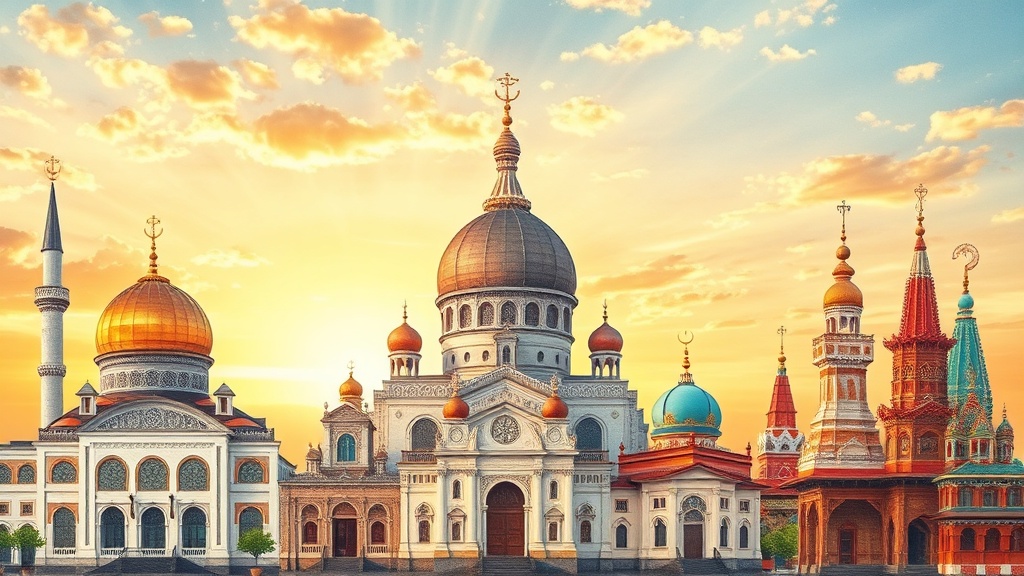
This district of Istanbul is a vibrant tapestry of faith, where centuries of devotion have shaped its landscape. From the echoing call to prayer to the quiet reverence within church walls, a remarkable spiritual diversity flourishes, offering a profound glimpse into the city's layered history. Exploring these sacred sites provides not only architectural appreciation but also a deeper understanding of the enduring human quest for the divine.
Nusretiye Camii
Standing prominently on Meclis-i Mebusan Caddesi, Nusretiye Camii, a Sunni mosque, is a testament to 19th-century Ottoman grandeur. Built by Sultan Abdülmecid I, it symbolizes a period of Westernization in Ottoman architecture. Its design blends Baroque and Rococo elements with traditional Islamic styles, featuring a graceful single minaret and an elegant dome. Visitors will find a harmonious interior adorned with intricate calligraphy and decorative motifs. Modest attire is essential for both men and women; women should cover their hair, arms, and legs. Visiting during non-prayer times ensures a more peaceful experience.
Sefer Kethüda Mescidi
This intimate mescid, a smaller mosque, offers a glimpse into the devotional life of a bygone era. While specific historical details are less widely publicized, its existence speaks to the organic growth of religious spaces within Istanbul's neighborhoods, serving the local community for prayer and reflection. Its architecture is likely to be simpler, reflecting its function as a neighborhood mosque rather than a grand imperial edifice. Visitors can expect a humble and serene atmosphere, ideal for quiet contemplation. As with all mosques, respectful attire is required, and visitors should remain quiet during prayer times.
Kalvinist Kilise
The Kalvinist Kilise, belonging to the Reformed Christian denomination, represents the presence of Protestant communities in Istanbul. These churches often arose to serve expatriate communities or local converts, playing a role in the city's multicultural fabric. Architecturally, it might feature the characteristic simplicity of Reformed churches, with clean lines and an uncluttered interior intended to focus on scripture and sermon. Visitors can experience a different facet of Christian worship. As a place of Christian worship, respectful conduct and modest dress are always appreciated.
Muhyiddin Molla Fenari Camii
The Muhyiddin Molla Fenari Camii is an important Islamic worship place, likely honoring a significant religious scholar. Mosques named after such figures often carry a scholastic legacy, potentially serving as centers of learning in their time. Its architecture would reflect its historical period, possibly showcasing traditional Ottoman mosque designs with a dome and minaret. The interior would typically be a space of calm and devotion. Visitors are expected to dress modestly and behave respectfully, remaining silent during prayer.
Surp Harutyun Ermeni Kilisesi
The Surp Harutyun Ermeni Kilisesi is a vital center for the Armenian Apostolic Christian community in Istanbul. Armenian churches in the city are often repositories of rich cultural heritage, bearing witness to the long history and resilience of the Armenian people in Anatolia. Architecturally, it will likely display distinctive Armenian church design elements, which may include unique dome shapes, facade decorations, and altar arrangements. The interior often features beautiful frescoes and iconographies. Visitors should dress modestly and approach with reverence.
Aya Triada Rum Ortodoks Kilisesi
Located at Meşelik Sokağı, 11/1, Aya Triada Rum Ortodoks Kilisesi is a significant Greek Orthodox Church, representing the enduring presence of the Greek Orthodox community in Istanbul. Its construction in the late 19th century signifies a period of rebuilding and flourishing for the Fener district. Architecturally, it is a majestic example of neo-Byzantine and Renaissance influences, boasting a prominent dome, elegant bell tower, and a grand façade. The interior is breathtaking, adorned with intricate mosaics, frescoes, and rich iconostasis. Modest dress is required, and visitors should maintain a solemn demeanor.
Selime Hatun Camii
The Selime Hatun Camii, a Sunni mosque, contributes to the historical religious landscape of the area. Such mosques, often named after influential women, highlight the integral role women have played in Ottoman society and patronage. Its architectural style would reflect the era of its construction, likely exhibiting traditional Ottoman mosque features. The interior provides a tranquil space for prayer and contemplation. Visitors must adhere to a strict dress code—covering arms, legs, and head for women—and observe respectful silence.
Molla Çelebi Cami (Fındıklı Camii)
Also known as Fındıklı Camii, this Sunni mosque was commissioned by Grand Vizier Molla Çelebi. It's a fine example of 16th-century Ottoman mosque architecture, designed by the renowned Mimar Sinan's school. Its elegant single dome and slender minaret contribute to its balanced proportions. The interior, though perhaps less ornate than some imperial mosques, would exude a sense of spiritual peace. Visitors are expected to dress conservatively, with women covering their hair, and to be mindful of ongoing prayers.
Süheyl Bey Camii
The Süheyl Bey Camii, a Sunni mosque, represents the ongoing devotional life within the community. Mosques of this nature, often serving the local populace, are integral to the urban fabric, providing spaces for prayer and religious observance. Its architecture likely reflects common Ottoman mosque designs, prioritizing functionality and spiritual ambiance. The interior offers a serene environment. As with all mosques, visitors should dress modestly and show respect for worshipers and prayer times.
Meryem Ana Kilisesi
The Meryem Ana Kilisesi, or Church of the Virgin Mary, is an independent Christian place of worship. Its designation as "independent" suggests a history potentially outside the major denominational structures, perhaps serving a specific community or reflecting a unique theological tradition. Its architecture would be individual, possibly reflecting local influences or the specific needs of its congregation. Visitors can anticipate a space of quiet devotion. Modest dress and respectful behavior are expected in any house of worship.
In this neighborhood, the coexistence and visibility of these diverse places of worship serve as a powerful reminder of Istanbul's rich interfaith heritage. Each site, whether a grand mosque or a humble church, tells a story of faith, community, and shared humanity, inviting visitors to approach with an open heart and a spirit of mutual understanding and respect.