
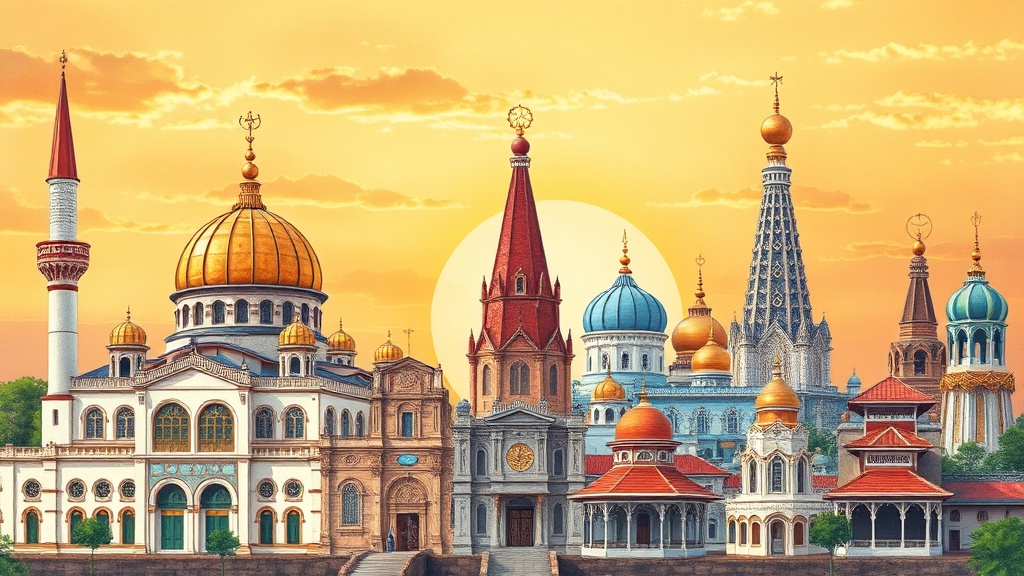
This region hums with a rich tapestry of spiritual life, where ancient traditions and modern devotion coexist. From the serene domes of mosques to the dignified spires of cathedrals, visitors will find spaces that invite reflection and offer a glimpse into the diverse faiths that have shaped this land.
Katedralja Krishti Shpëtimtar
The Cathedral of Christ the Saviour stands as a prominent symbol of the Serbian Orthodox presence in the city. Its construction, though completed relatively recently, represents a continuity of faith and community. While still undergoing some final touches and often not fully open for extensive public tours, its imposing exterior hints at the grand design within, aiming to embody traditional Orthodox architectural elements with a contemporary scale. Visitors can admire its exterior and appreciate its significance as a spiritual center. As with all active places of worship, respectful attire is encouraged, meaning shoulders and knees should be covered. Visiting during daylight hours is best for appreciating the structure.
Katedralja Shën Nënë Tereza
Dedicated to the beloved Saint Mother Teresa, this magnificent Roman Catholic cathedral is a relatively new addition to Prishtina's skyline, inaugurated in 2017. Its striking modern architecture, featuring clean lines and a soaring bell tower, is a testament to contemporary religious building design. The interior is light-filled and spacious, offering a peaceful sanctuary for prayer and contemplation. Visitors can explore the main nave, admire the stained-glass windows, and ascend the tower for panoramic views of the city. It’s a must-visit for its architectural merit and its role as a focal point for the Catholic community. Modest dress is appreciated, and visitors are welcome to attend services or explore during designated visiting hours.
Xhamia "Dardania"
The Dardania Mosque, a significant place of worship for the Sunni Muslim community, is a focal point of religious life within its neighborhood. While specific historical details and architectural blueprints are not as widely publicized as older, more established mosques, its presence signifies the active practice of Islam in the area. It provides a space for daily prayers and community gatherings, fostering a sense of unity among its congregants. Visitors can expect a humble yet functional space designed for devotion. Respectful attire, covering shoulders and knees, is standard practice when entering any mosque. Visiting outside of prayer times is generally recommended for a more peaceful experience.
Xhamia 4 Llullat
The "Four Pillars" Mosque, or Xhamia 4 Llullat, is a cherished landmark distinguished by its unique architectural feature: four distinct minarets. This design element makes it visually memorable and a key identifier within the city. Serving the local Sunni Muslim community, it is more than just a place of prayer; it's a hub of social and spiritual activity. The interior typically features a large prayer hall, often adorned with simple yet elegant Islamic calligraphy and carpets. Visitors are welcome to observe the architecture and appreciate the peaceful atmosphere. As with all mosques, it is essential to dress modestly, covering shoulders and knees, and to be mindful of prayer times.
Xhamia e Çarshisë
The Old Bazaar Mosque, or Xhamia e Çarshisë, is one of the most historic and culturally significant mosques in Prishtina, dating back to the Ottoman era. Its age speaks to centuries of Islamic tradition and community presence. Architecturally, it typically embodies classic Ottoman mosque design, likely featuring a domed roof, a central prayer hall, and a detached minaret. It has served as a vital center for religious practice and community life for generations. Visitors can expect a venerable atmosphere and an opportunity to connect with the city’s deep historical roots. Modest dress is a must, and it’s advisable to visit outside of prayer times to ensure a quiet and respectful experience.
Xhamia e Osmonit
The Osman Mosque, another important place of worship for the Sunni Muslim community, contributes to the vibrant religious landscape of the city. While perhaps not as ancient as some of its counterparts, it plays a crucial role in the daily lives of local residents, providing a dedicated space for prayer, reflection, and community engagement. Its design, typical of local mosque architecture, likely focuses on functionality and a welcoming environment for worshippers. Visitors can experience the quiet reverence of a community gathering place. As with all mosques, respectful attire is expected, covering shoulders and knees, and visiting during non-prayer hours is recommended.
Xhamia e Tophanes
The Tophane Mosque is a recognizable feature of its neighborhood, serving as a spiritual anchor for the local Sunni Muslim population. Its name suggests a historical connection to the area, possibly related to former workshops or fortifications. The mosque's architecture, like many in the region, would have been designed to facilitate prayer and communal gatherings, offering a place of peace and spiritual solace. Visitors to the Tophane Mosque can expect a welcoming environment for quiet contemplation. It is important to adhere to the customary dress code, ensuring shoulders and knees are covered, and to be mindful of prayer times to maintain the sanctity of the space.
Xhamia e Farkatarëve
The Mosque of the Smiths, or Xhamia e Farkatarëve, holds a unique historical resonance, its name hinting at a connection to the city’s artisan past, specifically the blacksmith community. This suggests that for centuries, this mosque has been a spiritual nucleus for a particular trade group, intertwining faith with daily work and life. Architecturally, it would have served as a functional prayer space, possibly with elements that reflect its historical context or the typical styling of its era. Visitors can experience a tangible link to the city's working heritage. Respectful attire is essential, covering shoulders and knees, and visiting outside of prayer times is advised.
Xhamia Buzagi
The Buzagi Mosque is a significant Sunni Muslim place of worship, contributing to the spiritual fabric of its community. While detailed historical accounts and architectural specifics might be less common, its existence highlights the enduring presence and practice of Islam in the area. Mosques like Buzagi are vital community centers, providing not only a place for prayer but also for social cohesion and religious education. Visitors can expect to find a serene and devotional atmosphere. Adhering to a modest dress code, covering shoulders and knees, is a fundamental requirement for entry into any mosque.
Xhamia Alaudin
The Alaudin Mosque, a prominent Sunni Muslim institution, is more than just a place of prayer; it often serves as a center for Islamic learning and community outreach. It represents a commitment to both spiritual devotion and the educational development of its congregants. Architecturally, it might incorporate elements that are both traditional and conducive to modern congregational needs, potentially featuring a well-designed prayer hall and possibly educational facilities. Visitors can appreciate its role as a vibrant hub of religious and community life. Modest dress is required, and it is respectful to visit outside of prayer times.
The spiritual landmarks of this area offer more than just architectural beauty; they are living testaments to the enduring power of faith and the importance of interfaith dialogue. By engaging with these diverse places of worship, visitors gain a deeper understanding not only of the region's history but also of the values of mutual respect and peaceful coexistence that bind its communities together.